Places to stay in Torroella de Montgrí
Museu de la Mediterrània
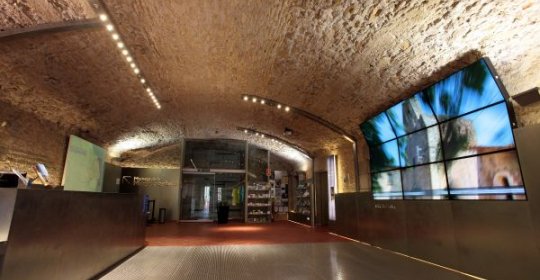
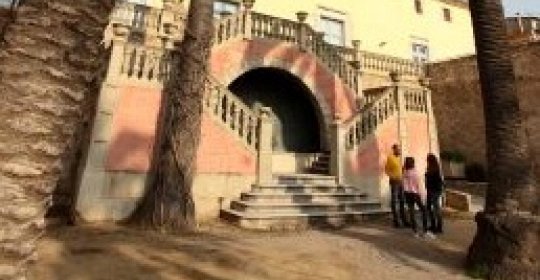
Can Quintana was the building chosen to house the Mediterranean Museum. At the time, specifically when the 16th century began, it was a manor house that was located in Torroella de Montgrí, a municipality belonging to the Costa Brava. Many years later, in 2003, it was decided to open a museum space there that seeks to disseminate everything related to the Mediterranean in general.
The first thing that stands out about the Museu de la Mediterrània is how interactive it becomes. This is precisely why it is common to see young children in these facilities. In fact, many schools both on the Costa Brava and in other areas of Catalonia organize excursions that include a visit to this museum.
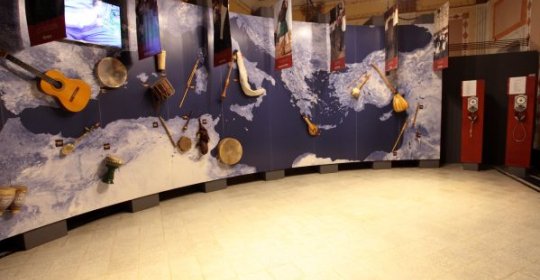
Both children and adults who visit it are soaked in a lot of information that is conducted with a musical thread, which accompanies perfectly throughout the experience. The same can be said for sounds that are also being played.
Of the various installations that are part of the Network of Museums of the Costa Brava, the Mediterranean Museum is one of the most successful. This is not surprising considering the high quality of its exhibitions.
Temporary Exhibitions
This museum offers visitors a total of three temporary exhibitions that offer cultural experiences that are very different from each other. The first one is called Espacio Montgrí. In the room dedicated to this exhibition, it is common to see all kinds of works of contemporary art.
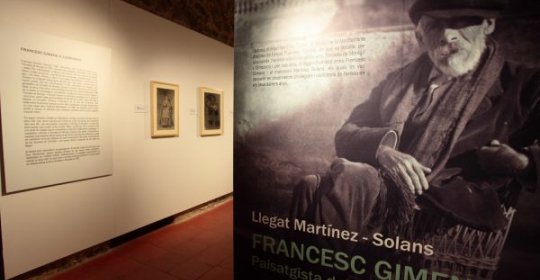
Then it's time to talk about another temporary exhibition that attracts a lot of attention to those who visit the Museu de la Mediterrània. This is the Medes Space, which would have been unfeasible without the generous contribution of Martínez-Solans.
Specifically, a multitude of paintings were donated, which today are part of the Medes Space. All of them were created by a painter who, at the time, was an icon of Torroella de Montgrí. And it's no wonder, since Francesc Gimeno, despite being born in Tortosa, lived in this city on the Costa Brava for a few years.
Finally, the temporary exhibition known as Espacio Baix Ter houses everything that, in one way or another, is related to the Mediterranean area. The pieces on display are not only paintings such as those of Joan Fuster, but also architectural elements such as those shaped at the time by Rafael Masó, who was one of the main drivers of Noucentisme.
Collection
The Museu de la Mediterrània has an extensive collection of which many notable elements are part. One of them is called flabiol, being an instrument that was formerly commonly used by Catalan musicians. To the list of instruments with many years behind them, we must add the one known as lyre, having in this museum the Cretan type.
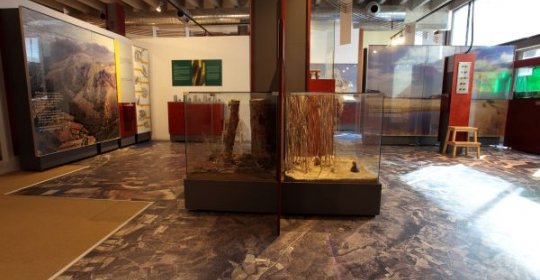
The collection of this museum space also houses some pieces of Roman ceramics with a characteristic shade that is reddish and bright in equal parts. The good condition in which they are found is surprising, especially considering that they belong to the time of the first Roman emperor: Augustus. That is, they accumulate more than two thousand years old.
Since the museum belongs to Torroella de Montgrí, it is not surprising that some of the most notable elements of its collection have been obtained in the Montgrí massif. A clear example is the Peak from prehistoric times. Another example is that of the capital that was extracted from the castle, an architectural piece that is also quite well preserved.
Rates
Accessing this museum space, enjoying the temporary exhibitions and admiring its extensive collection is free regardless of the age of the visitors.

